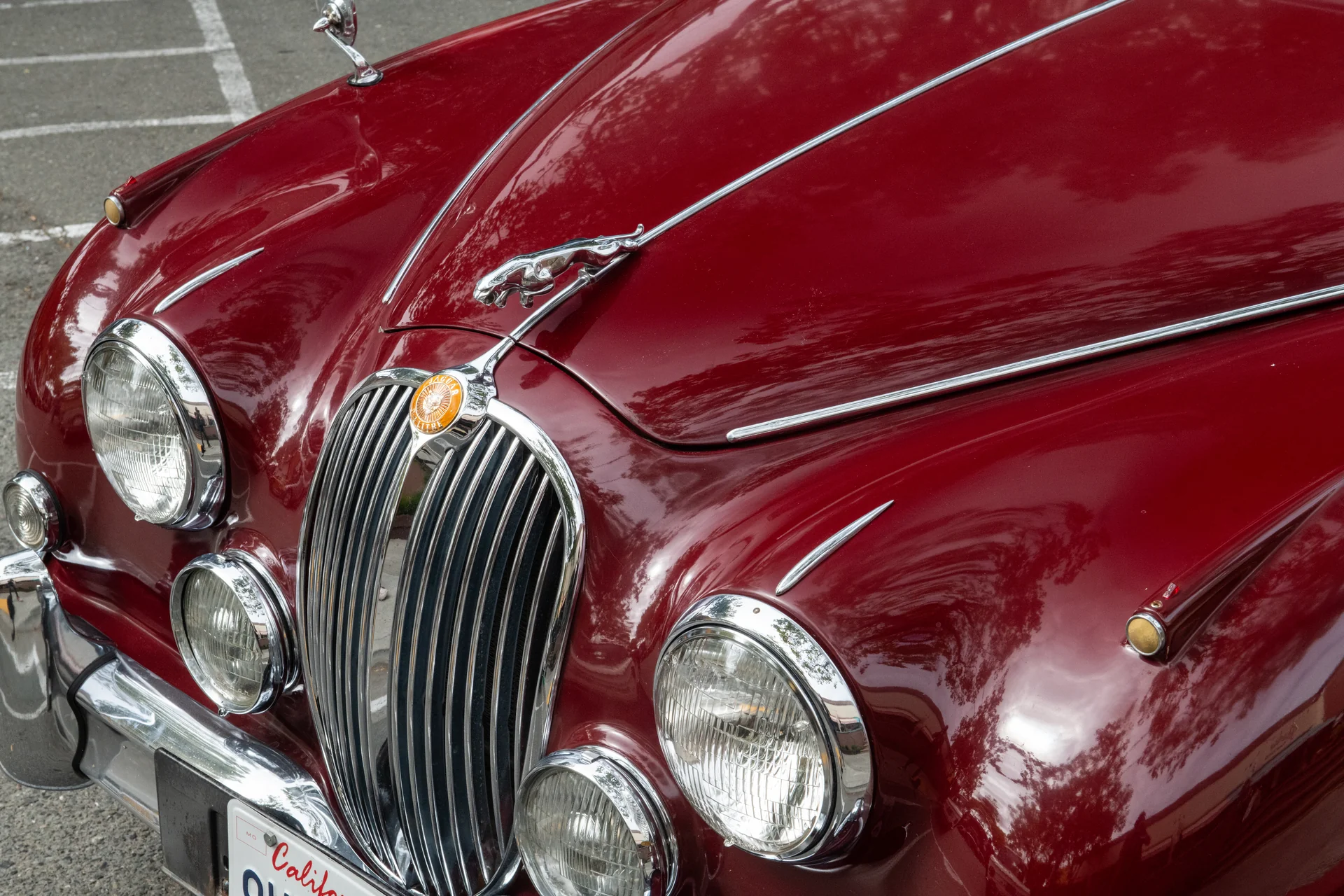
The Evolution of Classic Car Collecting

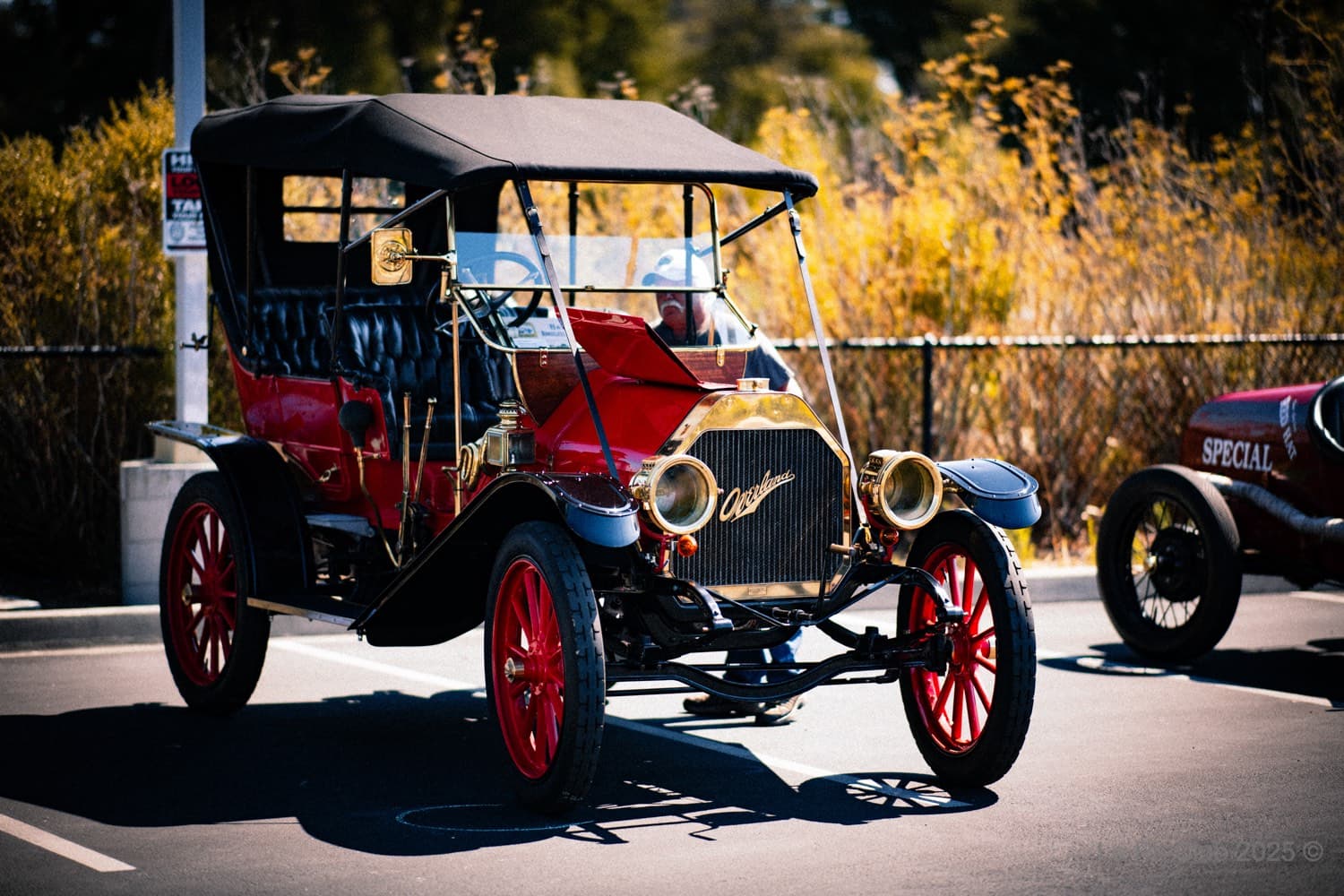
The first automobile in the US arrived in the late 1800s. At the time, cars were viewed simply as a means of transportation and a showcase for engineering experimentation. As the industry evolved, the focus turned to mass production and reliable vehicles. It wasn’t until years later that the interest in automobiles shifted into something beyond just the machine.
Preserving the Past
The US saw this shift in the 1920s–30s. It was the end of the Brass Era, ranging from 1896-1915. This categorized a time when cars that looked like horseless carriages were designed using brass. These cars became less common and stood out among modern vehicles, and many began to recognize the noticeable advancement in technology. With little use for these automobiles anymore, people started looking at them for the first time as a piece of history worth preserving. The Great Depression also led to a price decrease on automobiles, so people were more willing to buy these vehicles.
The First Car Collector Clubs
In the early 1930s, the Philadelphia Automobile Trade Association put on the Philadelphia Automobile Show, the first to showcase older car models. A group of these owners came together for what was billed as the first Antique Automobile Derby. Deemed a success, the event continued for many years. This show became the catalyst for the formation of some of the first car collecting organizations. Members went on to create their own club, the Antique Automobile Club of America (AACA), founded in 1935. Their mission is to “preserve and promote the history and enjoyment of antique automobiles.” In 1937, in Los Angeles, the Horseless Carriage Club (HCCA) was also founded. Vehicles manufactured during the Brass Era were appreciated here. These clubs paved the way for more to come, like the Veteran (Vintage) Motor Car Club of America (VMCCA), established in 1938. These early organizations set the stage for the appreciation of early car collecting, and all of them have stood the test of time, still going strong today.
Post–World War II
After World War II, mentality toward automobiles evolved significantly. People with multiple cars, at first, had them as a symbol of wealth and luxury, but now, they were wanted for their historical value. Preserving and celebrating these pre-war vehicles came to the forefront of enthusiasts’ minds. In addition, owners of cars from the 1920s and 1930s were turned away at existing car meets and told, “they were not eligible to participate because the vehicles they were driving were ‘too modern’.” Their vehicles were labeled “classic,” and therefore a new club was formed—the Classic Car Club, founded in 1952. They focused on the pre-war luxury cars manufactured between 1915 and 1948.

This was also when car auctions became popular. One of the earliest recorded auctions was in 1954, at Sotheby's: “a selection of vintage and classic cars was presented to a small but dedicated group of collectors.” They started for car enthusiasts but quickly became a market for those looking to invest and profit from classic, collectable cars.
Pebble Beach Concours d'Elegance was another event that shaped car collecting. Founded in 1950, it was originally modeled after the European show, but in 1955 it switched to featuring collector cars. Cars were judged for their style, history, and preservation/restoration. If they performed well, they became even more unique, even gaining iconic status. Today, it is one of the biggest and most exclusive car shows.
A Growing Passion
As the years progressed, car collecting only continued to grow in popularity. The Car Collecting Magazine mentions the increasing interest in early automobiles and how auction houses became even more widespread. Vehicles like the Ferrari 250 GTO, the Porsche 911, and the Mercedes-Benz 300 SL “Gullwing” were just a few to have gained iconic status, representing the growing importance of classic cars in society.
Car museums, including those established by Mercedes-Benz, Alfa Romeo, and Ferrari, worked to preserve important models and their history for the generations to come. At the same time, private collectors began building their own collections, preserving automotive history while pursuing their passion. These vehicles were also starting to truly become valuable investments, with certain models appreciating over time. Whether preserving history through a private collection or experiencing it at museums or car shows, collectable cars became more accessible and enjoyable for enthusiasts everywhere.

The Modern Era
The love of car collecting has “[transformed] itself from a pastime for a privileged few into a global phenomenon.” It is still evolving, and iconic cars are ever changing with each new generation. For example, the Car Collecting Magazine states, “the rise of younger collectors is driving demand for vehicles from the 1980s and 1990s, reflecting a shift in generational preferences.” There is also a growing interest in electric vehicles, with some already becoming collectibles. At the same time, sustainability is at the forefront of discussion, so people may be more inclined to preserve existing vehicles rather than buying new.

The internet has also completely revolutionized car collecting. It has made it easier to discover what is on the market, for enthusiasts to connect, and participate in auctions and sales. This is exactly what drives Le Pit Club Marketplace: bringing collectors and enthusiasts together in one accessible place.
Today, car collecting has become something greater than people could have imagined. It is about connecting with the community around you, sharing the experience, displaying your passion, and so much more. Cars are no longer simply a means of transportation; they are pieces of history that connect generations.
Photos by Lee Keiper @leonardo337