The BMW Classic That Defined the 3 Series

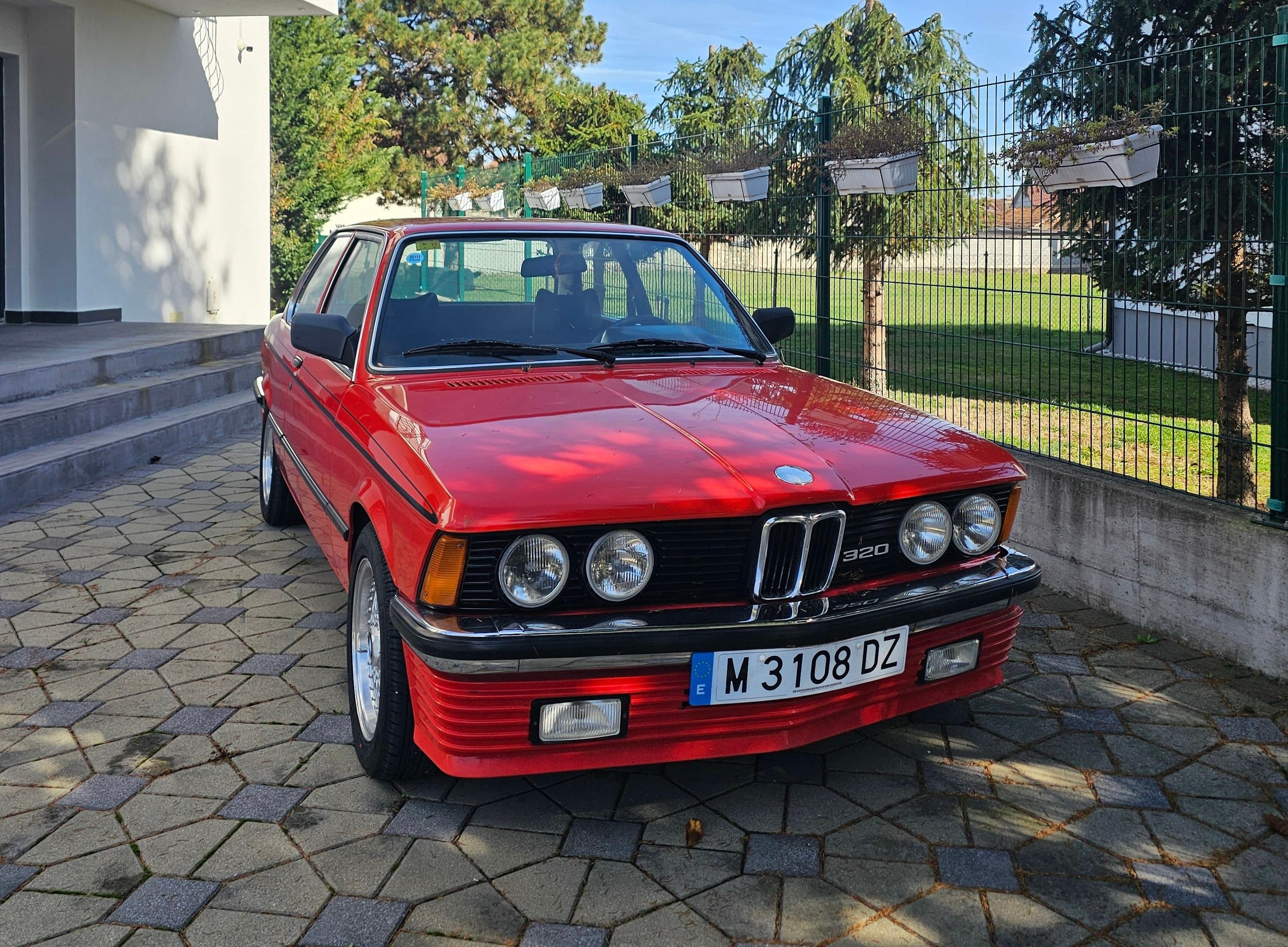
The BMW E21, the first generation of the iconic 3 Series, was introduced to the world between the BMW 2002 and the BMW E30. While the cars that came before and after often receive more attention, the BMW E21 laid the foundation for BMW's future and left a lasting impact on automotive history.
Where the 3 Series Began
Rivals of BMW such as Alfa Romeo and Lancia “had both replaced their 1960s cars with bigger, heavier, and more expensive models with much success, so BMW did the same.” The BMW E21 was first introduced in Europe in 1975 and later exported to North America in 1977. At the time, drivers were looking for a car that was reliable, practical, efficient, and prioritized driver experience.
Paul Bracq became BMW’s designer in 1970, after originally designing some of the most iconic Mercedes-Benz vehicles. He worked on the 3, 5, and 6 Series. He did not create BMW’s design language, but he heavily influenced many of the features. “BMW’s vision for the E21 was to create a larger, more premium vehicle while retaining the sporty DNA of the 2002,” states BMWBlog. Bracq's design decisions led to BMW's iconic blend of sport and luxury, which shaped the brand.
Signature BMW Features
The BMW E21 carried forward some iconic BMW features, but it also had some of its own, which helped define future designs. The Petersen Automotive Museum goes in-depth about the characteristics highlighted below.
The E21 had BMW kidney grilles on the front, but with a more modern design than previous models. It also continued the use of the Hofmeister Kink on the rear-window pillar. This pillar on most cars extends to the corner, but the curve has become one of BMW’s signature styles. The “shark nose” front end, meaning the front of the car is forward leaning, was also a notable feature, and while not new, the E21 influenced it to continue to other models. Even though it was one of their smaller cars, it also had the largest trunk BMW sold at the time, adding to its practicality.

Adapting for North America
The US had specific automobile laws compared to the rest of the world. This impacted the design of the E21 in North America. The E21 in the US had low beams on the outside and high beams on the inside, like most American cars at the time.
US safety regulations also led to the “diving board” bumper. The bumpers needed to withstand an impact up to 5mph, resulting in a clunky bumper that stood out from the car. This was combined with other features, such as the mandatory side markers, turn signals, etc.
Due to different emission standards, the only models sold in the US were the 320i and the 320is Sport Package. Other regions had numerous other versions, including the 315, 316, 318i, etc. The US E21 engine was downsized to a 1.8 liter, making it on the slower side, taking anywhere from 11-14 seconds to go 0-60 mph; however, the performance of the car improved with each generation.

Built for the Driver
More than anything, what set the E21 apart was its driver-focused experience. Unlike many other vehicles at the time, the E21 was designed with the person behind the wheel in mind. The dashboard was angled toward the driver, maximizing accessibility, which remained a signature BMW interior feature after this model. Paired with this, the car had comfortable seating, better fuel efficiency, and an overall luxurious feel, which define the 3 Series. It also provided a rear-wheel-drive experience that many drivers love the feel of, and enthusiasts continue to appreciate today.
The Legacy of the E21
Production of the E21 ended in 1983 after over a million vehicles were produced. Critics said it was heavier and less powerful than the BMW 2002 that came before it, but the E21 went on to become the foundation for the 3 Series, which would actually become legendary in motorsports.
Learn more about the history of the 3 Series in motorsports in Le Pit Club’s video at the Petersen Automotive Museum.
BMW needed a racing car so, “they took the road-going 3 Series and developed it into [an] absolute monster on the track.” One of the earliest and most iconic racing versions of the E21 was the BMW 320i Group 5. The 3 Series showcased BMW’s performance capabilities and built the brand’s reputation on the track, solidifying the E21’s connection to BMW’s racing history.

BMW 320i Group 5 (E21) - Owned by Peter Gleeson
Today, the E21 continues to be appreciated by enthusiasts for its engaging driving experience and historical significance. While it may not be fast on the highway, many owners report that the feel of driving around town and through corners makes it worth it. Collectors' interest in the car has grown significantly over the years. Appreciation has also increased, and it remains a good car to own if you want a BMW.
They are also usually well-maintained and mechanically simple, making for a fun DIY project for the owner. Compared to other BMWs, they are often not seen on the road, making each one a unique find. Above all, the E21's history and role as the first 3 Series ensure that it will always hold a unique place in BMW's story.